Failure Analysis is a fundamental process for identifying the causes of material and component failures in various industries. This detailed analysis makes it possible to understand the underlying reasons for failures, prevent future accidents, and improve product quality and reliability.
Failure analysis includes several key steps:
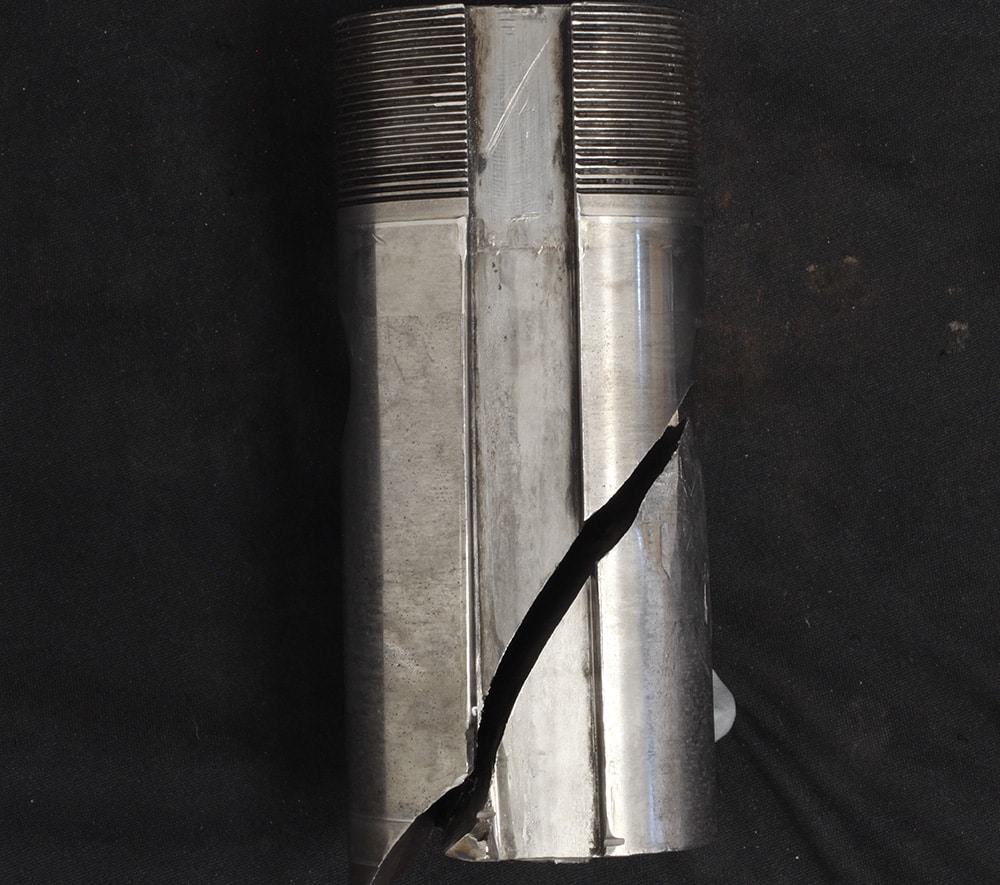
- Data collection and preliminary observations: photographic documentation of specimens and failure context, collection of information related to the history of the specimens and the operating environment.
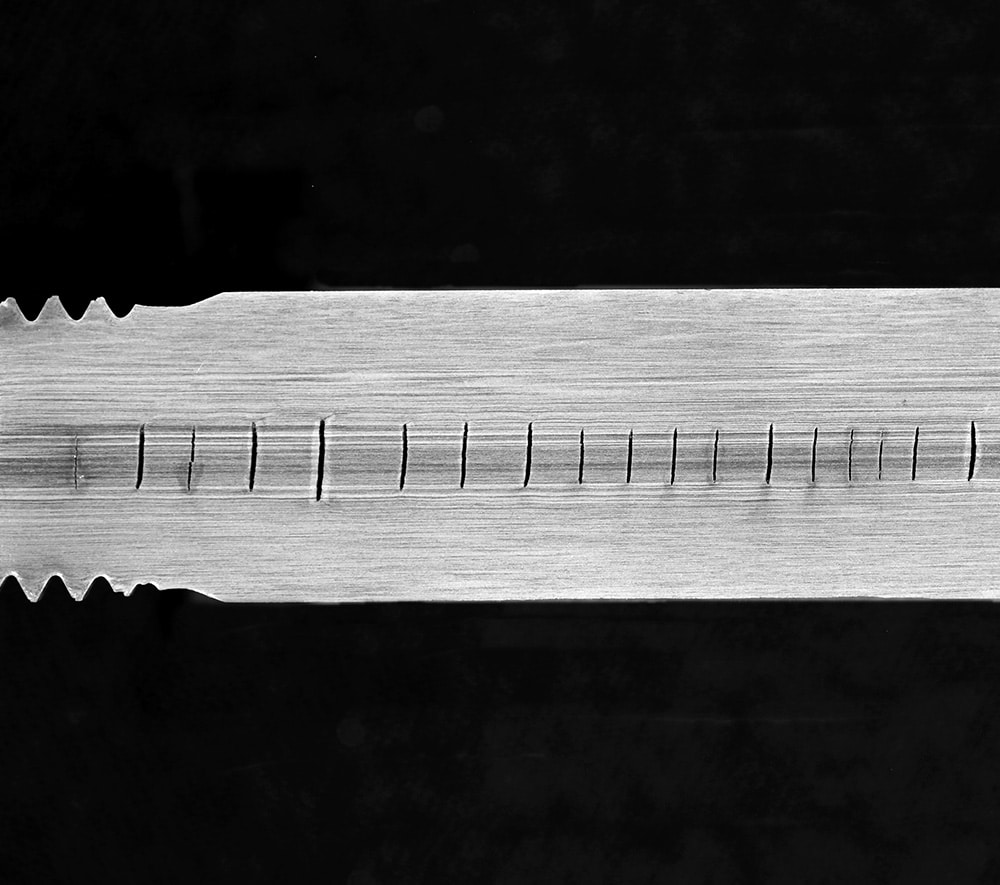
Inspections and meetings at the customer’s site may be scheduled at this stage. - Visual examination and non-destructive testing: detailed visual examination of samples and possible performance of nondestructive testing such as liquid penetrant, magnetoscopy, X-ray and ultrasound to examine internal defects without damaging the sample.
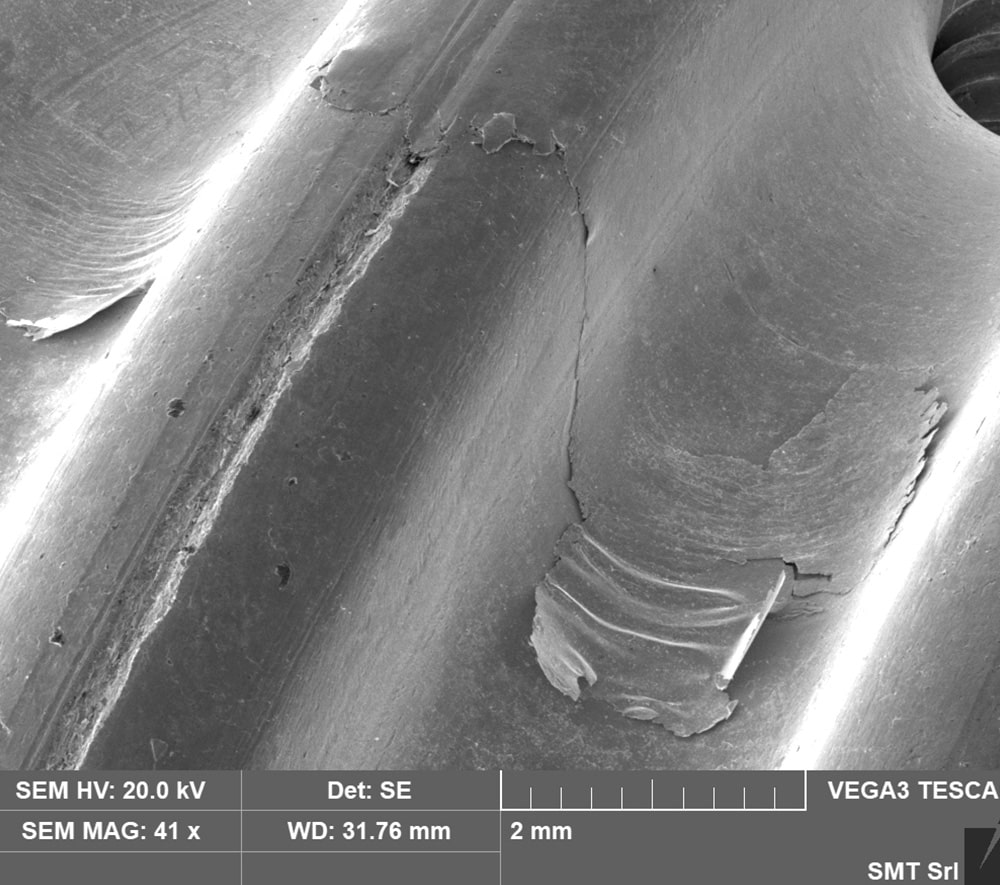
Industrial computed tomography examinations can also be performed. - Possible detailed scanning electron microscope (S.E.M.) examination with E.D.S. chemical microanalysis: analysis of fracture surfaces (fractography), damaged and corroded areas, analysis of corrosion deposits.
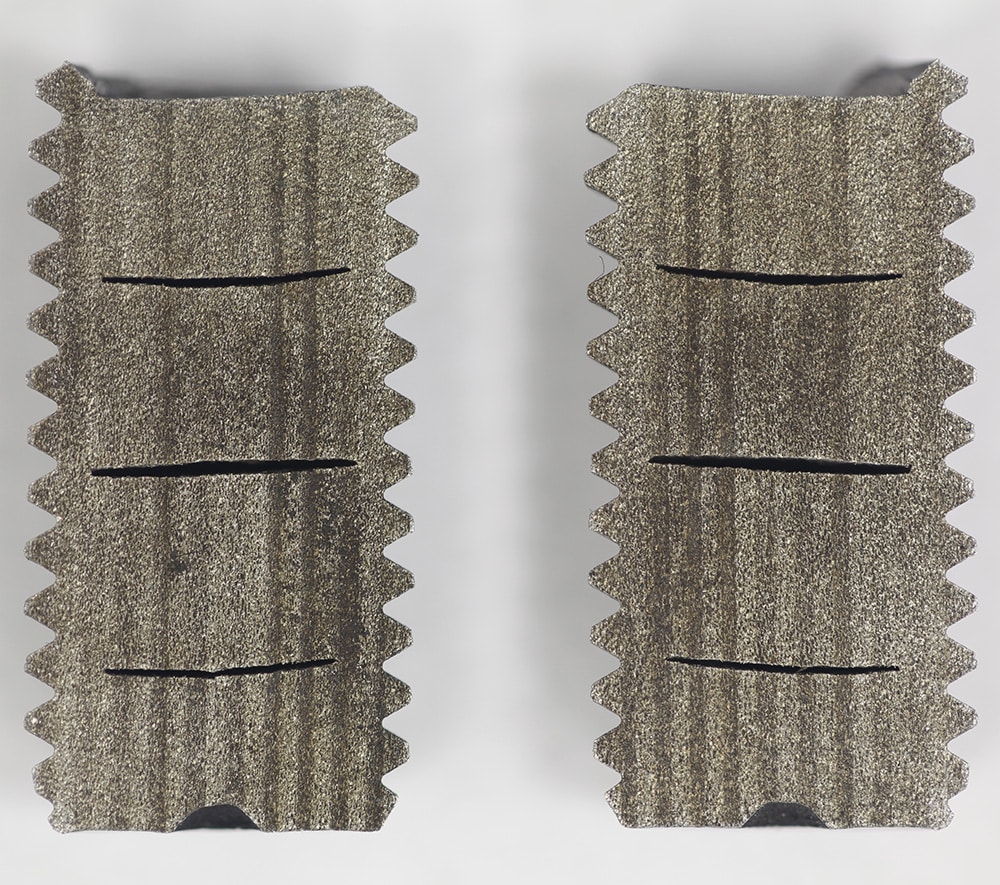
- Metallographic analysis: microstructural analysis, sectional analysis of cracks, defects, inclusions and other anomalies.
- Chemical and spectroscopic analysis: determination of chemical composition to detect any alterations in the material.
- Mechanical testing: evaluation of mechanical properties to verify compliance with required specifications (customer specifications or national, European and international standards).
These analyses are essential for:
- Prevent future failures: identify and correct the causes of failures to improve product safety and reliability.
- Improve product quality: make changes to production processes based on the results of the analysis.
- Support the development of new materials: provide critical data for the design and optimization of new materials and technologies.
The SMT materials testing laboratory is equipped with state-of-the-art instruments to conduct thorough and accurate failure analysis. Thanks to the experience of qualified personnel, accurate diagnosis of the causes of failures can be obtained and effective solutions can be proposed to prevent their recurrence.
Failure analysis can be performed on a wide range of materials used in different industries. Here are some of the main types of materials on which this analysis can be performed:
- Metals and alloys:
- Steel: used in construction, infrastructure, vehicles and numerous industrial applications.
- Aluminum: used in aerospace, automotive and light transport applications.
- Copper: essential for electronics, electricity, and heating and cooling systems.
- Titanium: used in aerospace, medical and sports applications for its light weight and corrosion resistance.
- Nickel: used in gas turbines and other high-storm environments.
- Magnesium: used in applications where light weight and strength are needed.
- Polymers:
- Plastics: used in a wide range of consumer and industrial products.
- Rubber: used in automotive, medical and consumer applications.
- Polymer composite materials: such as fiberglass and carbon fiber, used in industries such as automotive, aerospace and sports.
- Composite materials:
- Fiber-reinforced composites: such as fiberglass and carbon fiber, used in lightweight but strong structures.
- Metal matrix composites: used in applications requiring unique combinations of metal and composite properties.
In particular, the SMT materials testing laboratory can carry out:
- Research causes of machine, component, and plant failure.
- Damage assessments and prevention counseling.
- Appraisals and litigation assistance.